

 See My Latest Article on HelloNation
What does a standard hotel usually provide?
A standard hotel generally provides a private guest room, a bed, a bathroom, climate control, basic furnishings, and routine housekeeping. Many properties also offer Wi-Fi, television service, parking, and a front desk that can assist with common guest needs.
The exact package depends on the hotel’s size, age, location, and operating style. “Standard” does not necessarily mean identical everywhere. A roadside property, business-oriented hotel, extended-stay property, and historic lodging facility may provide different features while still meeting ordinary expectations.
For residents of Norfolk, NE arranging a stay for visitors, attending an event, or booking a room during seasonal travel, understanding the difference between expected basics and optional extras can make comparisons easier.
What should be in the guest room?
The sleeping area should include a bed, pillows, blankets, a nightstand, lighting, and enough space to move around comfortably. Most rooms also have a dresser, closet, luggage rack, desk, chair, or another small workspace.
A standard room commonly includes:
- A mattress with sheets and blankets
- Pillows, with additional pillows available upon request at many properties
- Bedside lighting and electrical outlets
- A television or streaming-capable screen
- A telephone or another way to reach the front desk
- A clock, alarm function, or in-room time display
- A wastebasket
- Hangers and basic clothing storage
- A desk or small table in many rooms
Room layout varies considerably. Some hotels place the desk near the window, while others use a compact table near the bed. Travelers who need to work, study, or manage medical equipment may want to ask about available floor space before booking.
Is Wi-Fi a standard hotel amenity?
Wi-Fi is now an ordinary expectation at most standard hotels, but the quality and terms of access can differ. Basic service may be included in the room rate, while faster connections or specialized business services may have limitations.
Guests should look for practical details such as:
- Whether Wi-Fi is included
- Whether a password is required
- Whether the signal reaches every guest room
- Whether the connection supports video calls or streaming
- Whether there are separate guest and public-area networks
A hotel may advertise Wi-Fi while still having weak service in certain parts of the building. Older construction, thick walls, room location, and the number of connected guests can affect performance. This can matter during winter weather or other conditions when guests spend more time indoors.
What bathroom features are normally included?
A private bathroom with a toilet, sink, mirror, and shower or bathtub is a basic expectation for a conventional hotel room. Towels should be provided, usually including bath towels, hand towels, and washcloths.
Common bathroom items may include:
- Soap or body wash
- Shampoo
- Toilet tissue
- A hair dryer
- A shower curtain or glass enclosure
- A wastebasket
- Basic vanity or counter space
Not every hotel provides conditioner, lotion, toothbrushes, razors, or other personal-care items automatically. These may be available upon request, but guests should not assume they are included.
Accessibility also deserves attention. An accessible room may include a roll-in shower, grab bars, lower fixtures, wider doorways, visual alerts, or other features. These are not decorative upgrades; they are functional accommodations designed for guests with specific mobility, hearing, or vision needs.
Do standard hotels include refrigerators and microwaves?
A small refrigerator is common but not universal. Microwaves are less consistently available inside standard guest rooms. Some properties provide both, while others place a microwave in a shared breakfast area or lobby.
A refrigerator can be useful for medication, baby supplies, leftovers, or drinks. However, a compact in-room unit may not be suitable for freezing items or storing large quantities of food.
Guests with dietary restrictions, medical needs, or longer stays should confirm these features before arrival. A room described as having a “mini-fridge” may contain a small cooling unit without a freezer compartment.
What public-area amenities are typical?
Many standard hotels provide shared facilities beyond the guest room. These may include a lobby seating area, breakfast space, elevator, vending machines, laundry equipment, or a small fitness room.
A complimentary breakfast may consist of coffee, juice, cereal, fruit, yogurt, toast, pastries, or hot items. The term “breakfast included” does not always mean a full cooked meal. Hours may also be limited, especially on weekends or during slower travel periods.
Other common shared amenities include:
- Indoor or outdoor swimming pool
- Fitness room with basic exercise equipment
- Guest laundry
- Business computer or printing area
- Meeting room
- Ice machine
- Water station
- Outdoor seating
These features are conveniences, not universal requirements. A hotel without a pool or fitness room can still be a standard, comfortable property.
Is parking usually included?
Parking is common at standard hotels, especially in communities where many guests arrive by car. The lot may be located directly beside the building, behind it, or in a nearby shared area.
Before arrival, guests may want to clarify:
- Whether parking is free
- Whether spaces are assigned
- Whether larger vehicles can be accommodated
- Whether overnight parking is allowed
- Whether there are designated accessible spaces
- Whether snow, ice, or severe weather changes parking procedures
In Norfolk, winter conditions can make covered entryways, cleared sidewalks, exterior lighting, and accessible parking especially useful. These practical features may matter more than decorative amenities during a cold-weather stay.
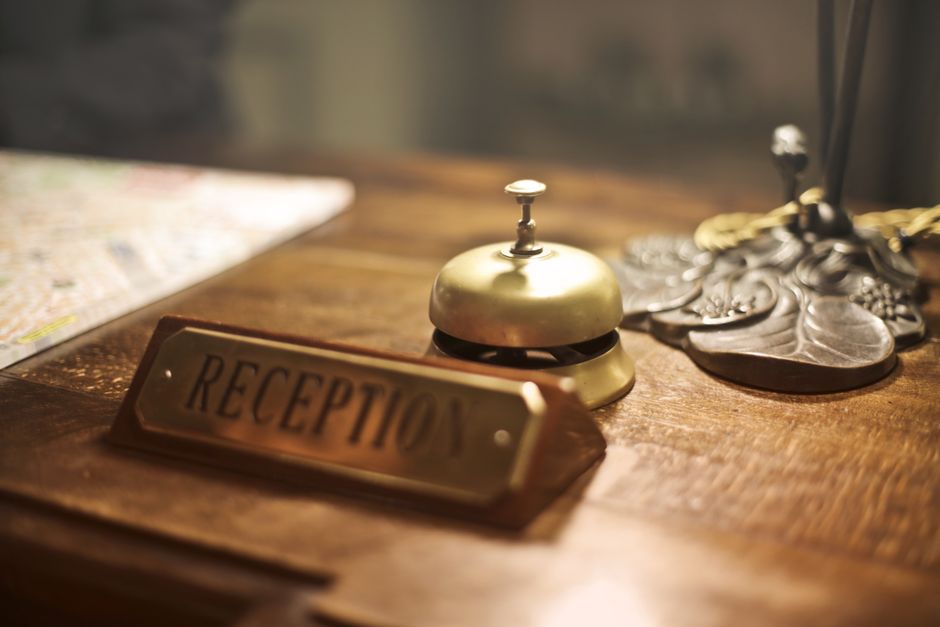
What service should guests expect from the front desk?
The front desk generally handles check-in, check-out, room keys, basic directions, maintenance requests, and questions about hotel policies. Staff may also provide extra towels, toiletries, blankets, or information about nearby services without promoting a particular business.
Standard service does not always mean that the desk operates all night with the same staffing level. Some properties maintain 24-hour desk coverage, while others use an after-hours phone or controlled entry system.
Guests should understand check-in and check-out times, deposit policies, identification requirements, cancellation rules, and procedures for reporting a problem. These details can vary more than travelers expect.
What should not be assumed?
Several features are often mistaken for standard amenities even though they vary widely:
- Daily housekeeping at the same time every day
- Room service
- A restaurant or lounge
- An in-room safe
- A bathtub rather than a shower
- A freezer compartment
- A microwave
- Pet-friendly rooms
- Late check-out without an added charge
- A pool open during every season
- Connecting rooms
- Quiet rooms away from elevators or parking areas
A room may also look different from its online description because hotels renovate floors or replace furnishings in stages. Asking specific questions is usually more useful than relying on broad labels such as “full service,” “updated,” or “family-friendly.”
How can guests compare hotels fairly?
The most useful comparison starts with the purpose of the stay. Someone visiting family may care about parking, a refrigerator, and breakfast hours. A person traveling for work may prioritize reliable Wi-Fi, a desk, quiet surroundings, and early coffee access. A household traveling with children may focus on room layout, laundry, pool availability, and bathroom arrangements.
For any stay, confirm the amenities that affect comfort, accessibility, medication storage, food needs, transportation, or sleep. Basic cleanliness, safe access, working climate control, functional plumbing, and accurate room information matter more than a long list of extra features.
A standard hotel should provide the essentials clearly and reliably. Optional amenities can improve convenience, but they do not replace the fundamentals of a clean room, a usable bathroom, comfortable sleeping arrangements, and straightforward guest service.