

 See My Latest Article on HelloNation
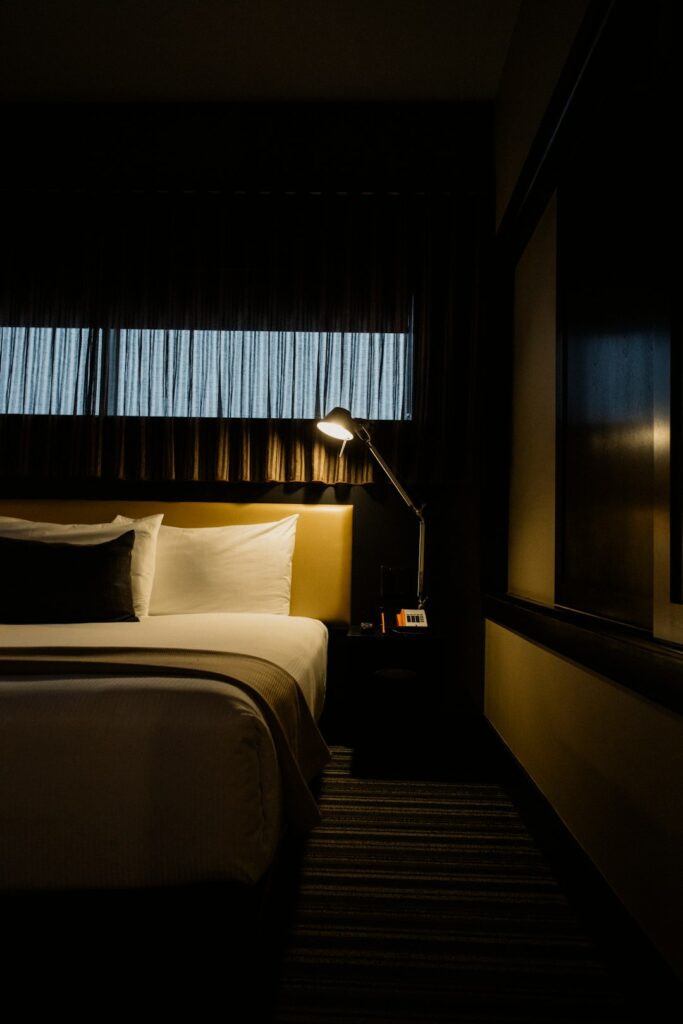
Traveling alone can be convenient and flexible, but it also requires more deliberate attention to personal safety. A hotel room may feel private and familiar within minutes, yet travelers still need to manage access, communication, transportation, and emergencies carefully.
For residents of Norfolk, NE, solo travel may include overnight stays during work trips, medical visits, family events, school activities, regional appointments, or long-distance road travel. The following habits can help reduce avoidable risks without creating unnecessary worry.
What should be done before arriving at the hotel?
The safest hotel stay usually begins before check-in. Share the hotel name, address, expected arrival time, and planned departure date with a trusted person. If travel plans change, update that person rather than assuming the original information is enough.
Keep important details in an accessible place, including:
- The hotel’s address and telephone number
- The reservation name and confirmation information
- A trusted contact’s phone number
- Emergency contacts and relevant medical information
- Vehicle description and license plate information, if driving
Avoid posting real-time travel details publicly. Sharing that a room is vacant, announcing an extended absence from home, or posting a room number can provide unnecessary information to people outside the travel group.
Weather and road conditions also deserve attention during travel seasons with snow, ice, high winds, or rapidly changing temperatures. A delayed arrival may mean reaching the property after dark, when parking areas and entrances are less familiar. Keeping a charged phone, warm clothing, water, and basic vehicle supplies available can make an unexpected delay less stressful.
How can a traveler choose a safer hotel room?
A room near a busy public area is not automatically safer, and an isolated room is not automatically dangerous. The most useful choice depends on the property’s layout, lighting, access points, and the traveler’s ability to reach help quickly.
At check-in, ask whether the room can be assigned away from exterior doors, stairwell exits, or areas with unusually limited visibility. Some travelers prefer a room on a middle floor because it may be less accessible from the ground and still reachable by stairs if an elevator stops working. However, the best floor can vary based on mobility needs, fire safety considerations, and the building’s design.
Do not say the room number aloud if others are nearby. If a desk employee announces it or writes it where other people can see it, ask for a different room. Keep the room key or access card private, and avoid leaving it unattended on a counter or in a public area.
Before settling in, check that:
- The door closes and locks fully
- The deadbolt or interior latch works
- The peephole provides a clear view
- Connecting doors are secured
- Windows and balcony doors, if present, are locked
- The telephone or emergency communication method works
- Smoke alarms and visible safety equipment are present
A room that cannot be secured properly should not be treated as a minor inconvenience. Ask for a different room or report the problem promptly.
What should happen during check-in?
Check-in is a useful time to learn how the property functions. Identify the main entrance, emergency exits, stairwells, front desk, parking area, and any entrance that remains unlocked overnight.
Use the hotel’s official check-in process and avoid allowing unfamiliar people to follow closely through secured doors. If someone claims to be hotel staff and requests entry to the room, keep the door locked and verify the request through the front desk using a known telephone number. Do not rely only on the person’s clothing, name, or confidence.
Unexpected visitors should be handled through the closed door. A traveler does not need to open the door to ask who is there. If a visitor cannot be verified, declines to leave, or behaves aggressively, contact the front desk or emergency services as appropriate.
Is it safe to tell people that you are traveling alone?
There is no need to announce that the room is occupied by one person. Use neutral language with strangers, delivery workers, or casual acquaintances. A simple statement such as “A friend is joining me later” is not an invitation or a guarantee of safety, but it avoids unnecessarily confirming that no one else is present.
Be cautious with conversations in lobbies, elevators, parking areas, and nearby public spaces. Do not share the room number, length of stay, daily schedule, or the time the room will be empty.
If meeting someone unfamiliar during a trip, choose a public area and tell a trusted person where the meeting will take place. Keep transportation and lodging details private until trust has been established.

How should valuables and personal information be handled?
Carry only what is needed for the outing. Extra cash, spare identification, medications, and travel documents should not be left in plain view. Use the room safe only after reviewing its instructions and considering whether the item is essential during the day.
Never leave a wallet, passport, keys, or electronic devices visible near the door or windows. Before leaving the room, check surfaces, drawers, outlets, and the bathroom so important belongings are not accidentally left behind.
Protect digital information as well. Avoid entering sensitive account details on unfamiliar public computers, and use caution with open public Wi-Fi. Lock phones and computers with a passcode, and do not leave devices unattended in shared spaces.
What should a traveler do if the room feels unsafe?
Trusting discomfort is reasonable. A traveler does not need proof of a crime before asking for help, changing rooms, or leaving a property. Unusual noises, repeated attempts to open the door, visible tampering, an unknown person waiting nearby, or a broken lock are all reasons to take the situation seriously.
If someone tries to enter, keep the door secured and contact the front desk or emergency services. Do not confront the person in the hallway. If leaving is necessary, take the safest available route, bring essential items, and move toward a staffed public area.
For a non-emergency concern, document the time, location, description, and any relevant communication. If there is an immediate threat, call 911 and provide the hotel name, room number, floor, and a clear description of what is happening.
How can solo travelers stay safer after dark?
Plan nighttime movement before leaving the property. Park in a well-lit area when possible, remove valuables from view, and have keys ready before reaching the vehicle. Avoid prolonged phone use while walking through a parking area because it reduces awareness of nearby activity.
If the weather is cold, icy, windy, or wet, footwear and clothing matter as much for safety as personal security. Slips, poor visibility, and vehicle trouble can create risks that are easy to overlook during a short trip. Use marked walkways, carry a light when needed, and avoid crossing poorly visible areas.
Inside the property, use elevators carefully. If another passenger causes concern, wait for the next elevator or step off at a public floor. A traveler can also ask the front desk for an escort to the vehicle when available.
What simple routine works best for a one-night stay?
A short safety routine can be completed in a few minutes:
- Send the hotel address and room information to a trusted contact.
- Inspect the lock, window, connecting door, and phone.
- Locate the nearest exit and identify an alternate route.
- Keep keys, shoes, clothing, and a charged phone within reach.
- Close the curtains when privacy is needed.
- Avoid opening the door for unverified visitors.
- Check the room carefully before departure.
These steps are practical rather than fearful. They help a traveler remain aware, preserve privacy, and respond more quickly if conditions change during an overnight stay.