

 See My Latest Article on HelloNation
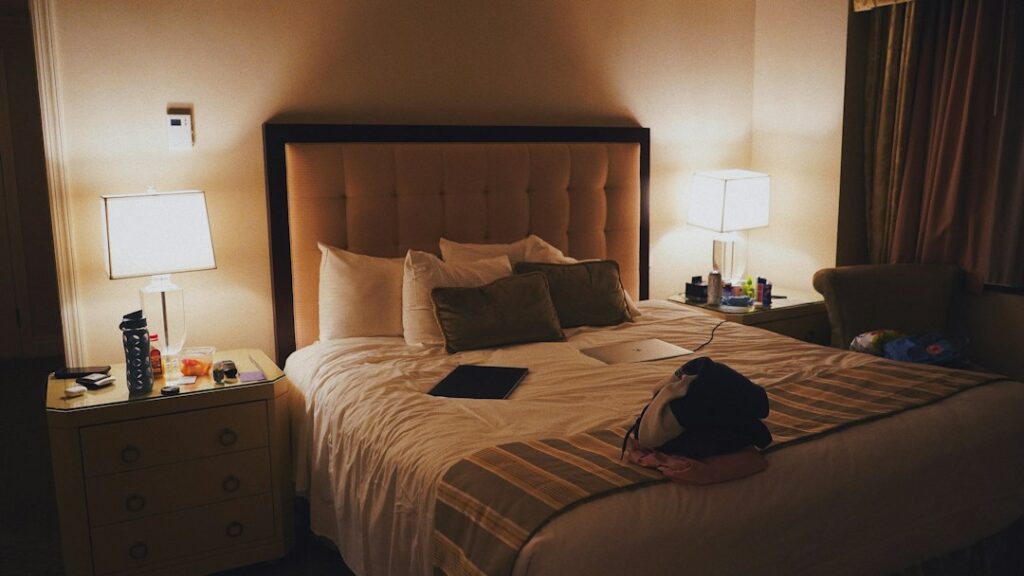
Travelers, families, and local residents in Norfolk, NE may stay in a hotel for many reasons: a family visit, a home renovation, severe weather, a work assignment, or a short break from household routines. Good hotel etiquette helps create a comfortable environment for guests and employees alike.
Being a great guest does not require elaborate gestures. It mainly means respecting shared spaces, following property policies, communicating clearly, and leaving the room in reasonable condition.
What should guests do before checking in?
Before arrival, review the reservation details and make sure the hotel has accurate information about the number of guests, expected arrival time, and any accessibility needs. Clear information helps staff prepare the room and avoid misunderstandings.
Guests should also check the property’s rules before bringing pets, requesting a rollaway bed, hosting visitors, or using amenities. Policies can vary, and some requests may require advance notice.
Useful steps before arrival include:
- Confirm the check-in and check-out times.
- Verify the reservation dates and room type.
- Ask about parking, breakfast hours, pool access, or quiet-hour policies if those details matter.
- Mention mobility, hearing, vision, or other accessibility needs as early as possible.
- Keep identification and payment information available for check-in.
- If plans change, notify the front desk rather than arriving unexpectedly with additional guests.
In a community such as Norfolk, where winter weather can affect roads and travel plans, guests may need to allow extra time for arrival during snow, ice, or strong winds. A delayed arrival is easier to manage when the hotel receives notice.
How should guests behave in hallways and shared areas?
Hotel hallways, elevators, lobbies, laundry rooms, and breakfast areas are shared spaces. Guests should keep voices and movement at a reasonable level, especially during nighttime hours.
Children should be supervised in hallways, stairwells, elevators, pools, and other common areas. Running, rough play, and repeated elevator trips can disturb other guests and create safety concerns.
Common courtesy includes:
- Holding elevator doors only when it will not delay others.
- Keeping personal belongings out of hallways and emergency exit paths.
- Using indoor voices near guest rooms.
- Cleaning up food or drink spills promptly.
- Returning carts, trays, or shared items as directed.
- Avoiding extended conversations directly outside another guest’s room.
Doors closing loudly can be especially disruptive because sound travels through hotel corridors. Closing doors by hand rather than allowing them to slam is a simple way to show consideration.
What is proper hotel room etiquette?
A hotel room is temporary lodging, but it is still a private space that must be maintained for the next guest. Normal use is expected; intentional damage, excessive mess, and unsafe behavior are not.
Guests should use furniture and equipment for their intended purposes. For example, standing on chairs, moving heavy fixtures, tampering with smoke detectors, or using appliances in unsafe ways can result in injury or property damage.
Room etiquette also includes:
- Keep food waste contained and use trash receptacles.
- Report broken fixtures, leaks, stains, or missing items promptly.
- Do not flush wipes, paper products, or other items that could block plumbing.
- Keep balconies, windows, and exterior doors secure.
- Avoid smoking or vaping in rooms or other areas where it is prohibited.
- Keep room service trays or personal belongings out of hallways unless the property provides specific instructions.
- Do not remove towels, electronics, artwork, or other room contents without permission.
Guests are not expected to recreate a spotless room before leaving. However, placing trash in bins, gathering used towels, and avoiding deliberate messes makes room turnover safer and more efficient.
How can guests respect hotel quiet hours?
Quiet hours are intended to reduce disturbances, but guests should avoid excessive noise at all times. Sound can travel through adjoining walls, ceilings, floors, and corridors even when a room appears well insulated.
Televisions, phone conversations, music, children’s activities, and gatherings should be kept at a moderate volume. Guests returning late should move quietly through the hallway and avoid extended conversations near room doors.
If a neighboring room is causing a disturbance, contacting the front desk is usually more effective than confronting the other guest. Staff can address the concern according to property policy and help prevent an argument.
Guests should also remember that noise complaints may involve more than loud music. Repeated door slamming, barking pets, furniture movement, and groups gathering in hallways can all affect nearby rooms.
What is appropriate behavior around hotel employees?
Hotel employees are responsible for assisting many guests, maintaining facilities, and responding to unexpected problems. Courteous, specific communication makes it easier to resolve concerns.
A guest should explain the problem clearly and provide relevant details, such as the room location, the time an issue began, or whether it presents a safety concern. Insults, threats, and demands for special treatment do not improve the outcome.

Reasonable requests include asking for replacement towels, reporting a maintenance concern, requesting directions within the property, or seeking clarification about a policy. If a request cannot be fulfilled, asking about available alternatives is more productive than arguing.
Tipping practices may vary by service and personal preference. A gratuity is not a substitute for respectful treatment, and employees should never be pressured or treated differently based on whether a tip is offered.
How should guests handle children, pets, and visitors?
Parents and guardians are responsible for supervising children and explaining hotel rules before problems occur. Children should not be left alone in pools, vehicles, hallways, or unfamiliar rooms.
Pet owners should follow the property’s pet rules, keep animals under control, clean up waste, and prevent barking or other repeated disturbances. Service animals have distinct legal protections, while ordinary pets may be subject to separate restrictions. Guests should not misrepresent a pet to avoid a policy.
Visitors should follow registration, parking, and occupancy rules. Bringing unregistered people into a room can create safety, billing, and capacity issues. A guest who plans to host someone should ask about the property’s visitor policy before the visit.
What should guests do at check-out?
Check-out is easier when guests follow the stated departure time and return keys or access devices as instructed. A late departure may interfere with cleaning schedules and the next guest’s arrival.
Before leaving, guests should check drawers, closets, bathrooms, outlets, and under the bed for personal belongings. A quick review can prevent the inconvenience of leaving medication, documents, chargers, or children’s items behind.
Guests should also:
- Dispose of food and personal trash.
- Gather used towels in one place if requested by the property.
- Report accidental damage honestly.
- Leave furniture and equipment in its normal position.
- Take photographs of important documents or valuables only for personal recordkeeping, not to invade another person’s privacy.
- Settle any questions about charges before departing when possible.
If an item is forgotten, provide the room number, dates of stay, and a detailed description when contacting the property. Avoid sending sensitive financial information through an unsecured message.
What are common hotel etiquette mistakes?
Many problems come from assumptions rather than intentional rudeness. Guests may assume that a reserved parking space is available to anyone, that breakfast items can be taken in unlimited quantities, or that a room can hold more people than the reservation allows.
Other frequent mistakes include:
- Ignoring posted pool or fitness-room rules.
- Leaving children unattended in common areas.
- Allowing pets to roam without supervision.
- Holding loud gatherings in guest rooms.
- Taking supplies that are intended to remain in the room.
- Waiting too long to report a leak, malfunction, or safety concern.
- Treating housekeeping staff as invisible or assuming cleaning work is effortless.
- Disregarding weather-related travel conditions when making arrival plans.
The most useful habit is simple: read the posted information, ask when something is unclear, and consider how an action will affect guests in nearby rooms. That approach supports a cleaner, quieter, and more respectful stay for everyone.